Is Drone Window Cleaning Right for Your Building? What You Need to Know Before Deciding
Maintaining clean windows on commercial and multi-story buildings has always been a demanding task that requires careful planning, specialized equipment, and strict safety procedures. As building designs continue to grow taller and more complex, traditional window cleaning methods often involve scaffolding, lifts, suspended platforms, and large crews working at dangerous heights. In recent years, drone window cleaning has emerged as a modern alternative that is changing how property owners approach exterior maintenance. Using advanced drone systems equipped with cleaning attachments, operators can access difficult areas while reducing many of the risks associated with manual high-rise cleaning. This innovative approach is gaining attention across commercial industries because it offers a faster and safer way to maintain exterior glass surfaces without relying heavily on large access equipment. As technology continues to evolve, more building owners are exploring whether drone cleaning can improve maintenance efficiency while helping preserve the professional appearance of their properties.
For property managers, business owners, and facility maintenance professionals, deciding whether drone window cleaning is the right solution involves more than simply following industry trends. Factors such as building height, accessibility, cleaning frequency, environmental conditions, budget expectations, and safety requirements all play a role in determining whether drone technology offers meaningful advantages for a specific property. While drone cleaning can improve efficiency and reduce disruption in many situations, it may not be ideal for every structure or every type of exterior surface. Understanding the benefits, limitations, operational requirements, and long-term value of drone window cleaning helps property owners make informed decisions before investing in a new maintenance approach. In many cases, choosing the right cleaning method can directly impact property appearance, tenant satisfaction, operational safety, and long-term maintenance costs. Evaluating these factors carefully allows building owners to determine whether drone cleaning aligns with the specific needs and challenges of their property.
Understanding How Drone Window Cleaning Works
- The Technology Behind Modern Cleaning Drones:- Drone window cleaning systems use remotely operated aerial equipment designed to clean glass surfaces from outside the building. Unlike standard photography drones, these specialized units carry water-fed cleaning systems, spraying attachments, stabilization technology, and soft brush mechanisms that allow operators to remove dirt, dust, and environmental buildup from windows and exterior surfaces.
Most systems remain connected to a ground-based water supply through lightweight hoses. Purified water is commonly used because it reduces streaking and helps prevent mineral deposits from forming on glass after drying. Operators control drone movement remotely while monitoring cleaning performance through live camera feeds and onboard sensors.
The technology continues to evolve as manufacturers improve battery life, flight stability, precision controls, and cleaning capabilities. Some advanced systems can clean large sections of glass in a shorter time than traditional crews working with suspended access equipment.
- How Drone Cleaning Differs from Traditional Methods:- Traditional window cleaning methods often require extensive setup involving lifts, scaffolding, rope access systems, or suspended platforms. These methods can create disruptions around entrances, sidewalks, parking lots, and tenant areas while increasing labor and safety concerns.
Drone cleaning changes the process by allowing operators to access elevated glass surfaces without placing workers directly on the building exterior. In many cases, setup time is reduced because fewer physical access systems are needed. This can be particularly valuable for buildings with limited ground access or difficult architectural layouts.
However, drone cleaning does not completely eliminate human involvement. Skilled operators, safety personnel, and inspection procedures remain essential parts of the process. The technology improves access and efficiency, but professional oversight still determines cleaning quality and operational safety.
Evaluating Whether Your Building Is a Good Fit
Building Height and Accessibility Considerations
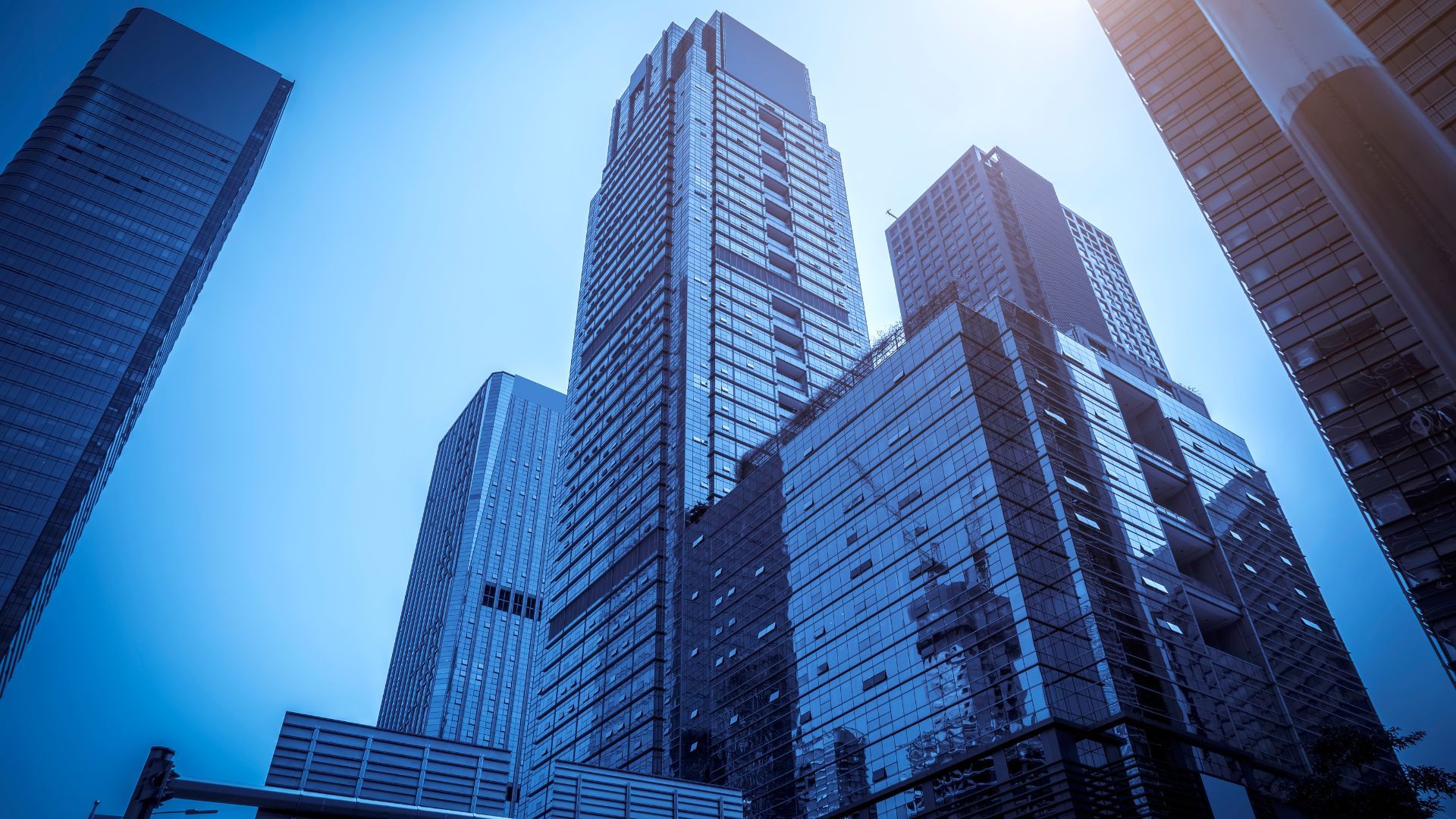
One of the main reasons property owners explore drone window cleaning is because certain buildings are difficult to service using traditional methods. Tall commercial structures, hotels, office towers, healthcare facilities, educational campuses, and mixed-use developments often contain hard-to-reach exterior glass that requires expensive access equipment.
Buildings with architectural obstacles such as setbacks, narrow access zones, rooftop obstructions, irregular facades, or landscaped perimeters may benefit from drone-based cleaning. Drones can navigate around many of these challenges while reducing the need for heavy machinery positioned near the structure.
Still, not every property is suitable for drone cleaning. Extremely congested urban locations, buildings surrounded by power lines, and properties located near restricted airspace may present operational complications. Local aviation regulations and municipal restrictions can also influence where drone cleaning can legally occur.
Surface Type and Exterior Conditions
The condition and material of the building exterior also influence whether drone cleaning makes sense. Standard glass surfaces often respond well to purified water cleaning systems used by drones. However, heavily stained glass, damaged seals, or surfaces requiring aggressive scrubbing may still need manual attention.
Environmental exposure matters as well. Buildings near construction zones, industrial areas, highways, or coastal environments may accumulate stubborn residue that requires specialized treatment. In these cases, drone cleaning may work best as part of a broader maintenance strategy rather than as a complete replacement for traditional cleaning methods.
Property owners should also evaluate surrounding weather patterns. High winds, storms, heavy rainfall, and unpredictable seasonal conditions can affect drone operations and scheduling flexibility throughout the year.
Safety Benefits and Risk Reduction
- Minimizing Worker Exposure to Heights:- Safety remains one of the strongest arguments supporting drone window cleaning. Traditional high-rise cleaning places workers in physically demanding situations that involve working at extreme heights for extended periods. Even with extensive training and protective systems, fall risks remain a major concern throughout the industry.
Drone systems reduce direct worker exposure by allowing operators to remain safely on the ground or within secure control areas. This lowers the number of situations requiring employees to physically access dangerous elevations using ropes, suspended platforms, or scaffolding systems.
Reducing exposure to hazardous conditions can help lower liability concerns while improving overall job site safety management. Many building owners view this as a valuable advantage when evaluating long-term maintenance programs for large commercial properties.
- Reducing Site Disruptions and Public Hazards:-
TTraditional exterior cleaning often requires large exclusion zones around the property to protect pedestrians and nearby vehicles from falling equipment or debris. Sidewalk closures, parking restrictions, and blocked entrances may disrupt business operations and tenant activity during cleaning projects.
Drone cleaning can reduce some of these disruptions because fewer large access systems are needed around the building perimeter. In many situations, operators can complete work using smaller controlled zones while maintaining safer pedestrian access around the property.
This advantage becomes especially important in busy commercial districts, healthcare campuses, hospitality properties, and retail environments where minimizing disruption directly impacts daily operations and customer experience.
Cost, Efficiency, and Long-Term Value
Understanding the Financial Factors
Many property owners initially consider drone window cleaning because of its potential to reduce maintenance costs. In certain situations, drones can lower labor expenses, reduce equipment rental needs, and shorten project timelines. Faster setup and improved accessibility may also decrease operational downtime for businesses and tenants.
However, pricing depends on several variables including building height, square footage, cleaning frequency, surface condition, local regulations, and service provider expertise. Drone cleaning technology requires skilled operators, specialized equipment, insurance coverage, and compliance with aviation standards, all of which influence project costs.
For some buildings, especially those requiring frequent exterior maintenance, drone cleaning may provide long-term savings by streamlining recurring service schedules. Other properties may find that traditional cleaning remains more practical depending on the complexity of the structure and the cleaning requirements involved.
Comparing Cleaning Speed and Productivity
Efficiency is another major reason many facilities explore drone cleaning solutions. Large exterior surfaces can sometimes be cleaned more quickly because drones reduce the need for repeated equipment repositioning and extensive setup procedures.
For example, a property management company overseeing multiple mid-rise buildings may benefit from shorter service windows that reduce inconvenience for occupants. Hotels, office complexes, and healthcare facilities often prioritize maintenance methods that limit operational interruptions while maintaining appearance standards.
Still, productivity depends heavily on environmental conditions and operator skill. Wind speeds, water supply logistics, battery limitations, and access restrictions can all affect overall performance. Building owners should evaluate realistic expectations rather than assuming drone cleaning automatically guarantees faster results in every situation.
Expert Exterior Maintenance Solutions For Multi-Story Buildings
Drone window cleaning is transforming the way commercial and multi-story buildings approach exterior maintenance by introducing safer access methods, reduced operational disruption, and improved efficiency for many properties. As technology continues to advance, drones are becoming increasingly valuable for buildings with challenging layouts, elevated surfaces, and recurring maintenance demands. However, deciding whether this approach is the right fit requires careful evaluation of the building structure, environmental conditions, operational limitations, and long-term maintenance objectives.
For property owners seeking dependable exterior cleaning solutions, Bio Green Pressure Washing in Acworth, GA brings over 8 years of experience helping residential and commercial clients maintain clean, professional-looking properties. We understand the importance of combining modern cleaning solutions with proven industry knowledge to protect building appearance, safety, and long-term value. Our approach focuses on delivering reliable service, detailed property evaluations, and maintenance strategies tailored to each structure’s unique needs.
Choosing the right maintenance strategy can make a significant difference in preserving a building’s appearance, reducing long-term repair concerns, and improving property presentation. We help clients evaluate practical solutions that support those goals while prioritizing professionalism, safety, and dependable service throughout every stage of the cleaning process.