Residential vs Commercial Pressure Washing Explained with Tips on Choosing the Best Option
Pressure washing has become a vital component of property maintenance, whether for homes, offices, or industrial facilities. In today’s world, where first impressions matter, a clean exterior is no longer optional. Property owners, both residential and commercial, are increasingly turning to professional pressure washing services to enhance curb appeal, protect surfaces, and maintain property value. However, the pressure washing needs of residential properties differ significantly from those of commercial spaces, making it essential to understand the distinctions and select the right approach. Understanding these differences is crucial for anyone considering pressure washing, ensuring that the correct equipment, techniques, and service levels are applied to achieve optimal results.
Residential properties, including homes, driveways, decks, and patios, often require gentle yet effective cleaning to remove dirt, algae, mildew, and grime without damaging delicate surfaces. Commercial properties, on the other hand, demand heavy-duty cleaning solutions that can withstand large areas, high-traffic surfaces, and industrial-grade stains. Choosing between residential and commercial pressure washing isn’t merely about property type—it’s about understanding the unique requirements, potential risks, and benefits associated with each service. In this guide, we will break down the differences, offer practical tips for selecting the best option, and provide insights to help property owners make informed decisions.
1. Understanding Residential Pressure Washing
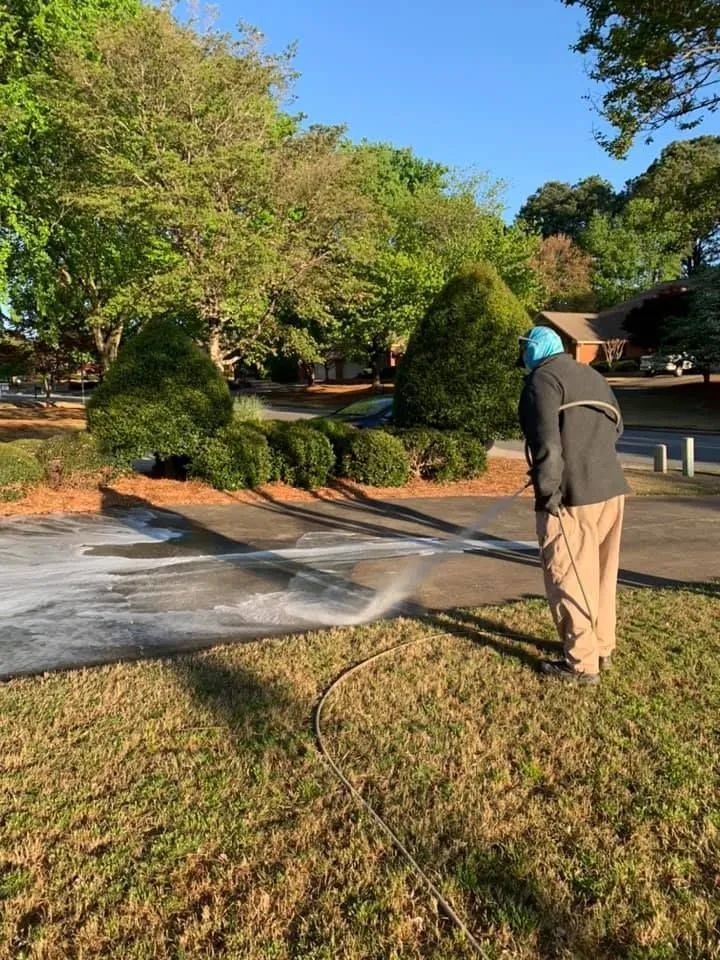
- What Residential Pressure Washing Entails:- Residential pressure washing focuses on cleaning smaller, more delicate surfaces that require careful handling. Typical areas include driveways, sidewalks, patios, decks, siding, and fences. Professionals use lower-pressure systems to avoid damaging surfaces like wood, stucco, vinyl, or painted areas. Residential pressure washing often incorporates soft washing techniques, which combine specialized cleaning solutions with minimal pressure to eliminate mold, mildew, and algae while protecting the structural integrity of the property.
- Benefits of Residential Pressure Washing:- One of the key advantages of residential pressure washing is the improvement of curb appeal. Clean surfaces create a welcoming environment and can even increase a home’s resale value. Other benefits include the prevention of long-term damage caused by mold, algae, or grime buildup, which can deteriorate materials over time. Regular residential cleaning also promotes health by reducing allergens, bacteria, and mold spores on exterior surfaces, making outdoor areas safer for children and pets.
- Common Residential Challenges:- Residential pressure washing requires balancing effectiveness with safety. High-pressure equipment can cause permanent damage if not handled correctly, such as stripping paint, splintering wood, or etching concrete. Homeowners also face challenges related to accessibility, such as multi-story homes or intricate architectural details. Therefore, hiring experienced professionals is crucial to achieve results without risking property damage.
2. Understanding Commercial Pressure Washing
What Commercial Pressure Washing Entails
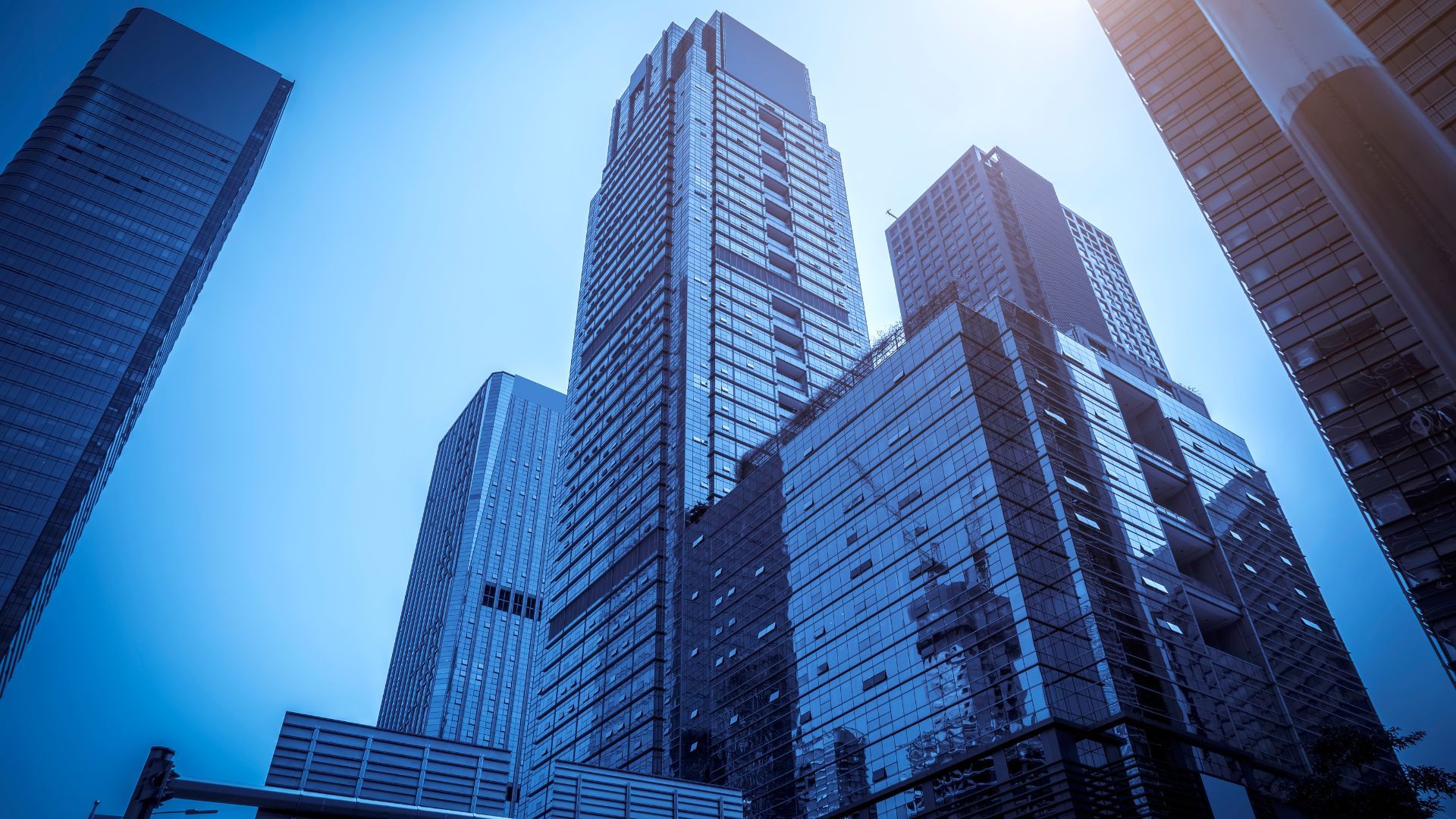
Commercial pressure washing involves cleaning larger, high-traffic properties that experience heavier wear and tear. Examples include office buildings, retail centers, warehouses, parking garages, and industrial facilities. These properties often accumulate tough stains, oil, grease, gum, and industrial residues that require industrial-grade pressure washers and professional-grade cleaning solutions. Unlike residential cleaning, commercial pressure washing emphasizes speed, efficiency, and compliance with safety and environmental regulations.
Benefits of Commercial Pressure Washing
Commercial pressure washing offers several strategic advantages. Firstly, it ensures a professional appearance, which can significantly impact customer perception and business reputation. Clean storefronts, sidewalks, and parking areas convey attention to detail and reliability. Secondly, regular cleaning prevents long-term damage to expensive surfaces like concrete, brick, and metal structures, ultimately reducing maintenance and repair costs. Additionally, commercial cleaning supports safety by removing slippery substances, preventing accidents, and maintaining compliance with health and safety standards.
Common Commercial Challenges
The main challenges in commercial pressure washing involve scale, logistics, and safety. Large properties may require multiple teams, specialized equipment, or temporary closures to complete the job effectively. Workers must navigate high-traffic areas and adhere to strict schedules to minimize disruption. Industrial stains, including oil, grease, and chemical residues, often require expert handling to prevent damage or environmental hazards. Therefore, professional experience is critical in ensuring efficient, safe, and high-quality commercial pressure washing.
3. Key Differences Between Residential and Commercial Pressure Washing
- Equipment and Techniques:- The most noticeable difference lies in the equipment and techniques used. Residential pressure washing employs lower-pressure systems and soft washing for delicate surfaces, whereas commercial pressure washing uses high-pressure industrial washers capable of covering large areas and removing tough stains. Soft washing uses cleaning agents to sanitize and lift debris, while high-pressure methods physically strip away grime and industrial residues.
- Surface Sensitivity:- Residential properties often feature materials that are sensitive to high-pressure cleaning, such as wood decks, vinyl siding, or painted masonry. In contrast, commercial surfaces—like concrete parking lots, brick facades, and metal structures—are built to withstand more aggressive cleaning methods. Understanding surface sensitivity helps prevent unintended damage and ensures the longevity of materials.
- Scale of Operation:- Residential jobs are typically smaller, allowing for a more personalized approach. Commercial projects often involve large-scale operations requiring multiple team members, specialized equipment, and strict adherence to timelines and safety protocols. This scale impacts not only the cost but also the planning and execution of the cleaning project.
- Frequency and Maintenance:- Residential cleaning is generally done once or twice a year, depending on environmental factors and aesthetic priorities. Commercial properties often require more frequent cleaning, sometimes monthly or quarterly, especially in high-traffic areas or industries with strict cleanliness standards. Regular commercial cleaning also plays a preventive maintenance role, protecting investments and extending the life of building materials.
4. Tips for Choosing the Right Pressure Washing Service
Evaluate Property Needs
Start by assessing the type of property and its cleaning requirements. Residential properties need services that prioritize safety and gentle cleaning, while commercial properties demand heavy-duty cleaning capable of handling larger areas and tougher stains. Consider the surfaces, age of materials, and frequency of cleaning when selecting a service provider.
Check Equipment and Techniques
Ask potential contractors about the equipment and cleaning techniques they use. For residential jobs, ensure they offer soft washing options for sensitive surfaces. For commercial projects, verify that they can handle industrial-grade cleaning while adhering to environmental and safety standards. The right equipment ensures both effective cleaning and surface protection.
Look for Experience and Certification
Experience matters significantly in pressure washing. Professionals with years of expertise understand how to balance cleaning power with safety. Certifications or specialized training indicate that the team follows industry standards and safety protocols, minimizing the risk of accidents or property damage.
Compare Pricing and Services
While pricing is important, it should not be the sole factor. Compare quotes based on services offered, scope of work, and long-term value. Residential jobs may be more affordable, but commercial projects often justify higher costs due to scale, equipment, and expertise required. Choose a service that offers transparent pricing and detailed service breakdowns.
Seek Reviews and References
Reputation is a strong indicator of quality. Check customer reviews, ask for references, and look at before-and-after photos of completed projects. Positive feedback, particularly for similar properties, provides assurance that the contractor can deliver the results you need.
5. Real-World Scenarios and Examples
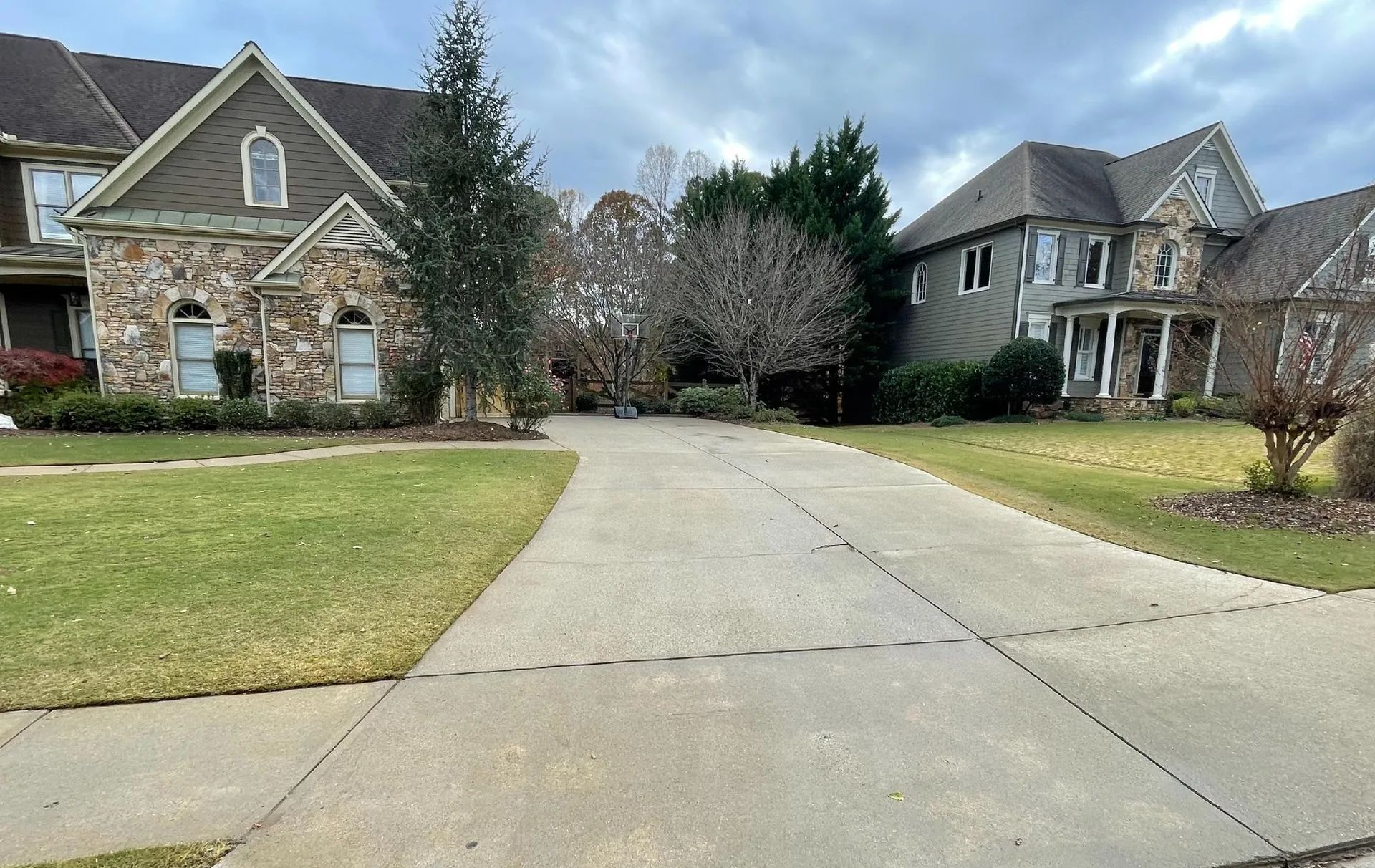
- Residential Scenario:- Consider a homeowner with a two-story house featuring vinyl siding, a wooden deck, and a concrete driveway. Over time, mildew develops on the siding, the deck starts showing dirt streaks, and the driveway is covered in oil stains from vehicles. A residential pressure washing service would use soft washing to safely remove mold from the siding, gentle pressure for the wooden deck, and moderate pressure to clean the concrete driveway. This approach preserves the property while restoring aesthetic appeal.
- Commercial Scenario:- A retail complex experiences heavy foot traffic, resulting in gum, dirt, and stains on sidewalks and parking lots. The building exterior shows signs of algae growth and discoloration due to pollution and weather exposure. A commercial pressure washing team would deploy high-capacity equipment to clean large surfaces quickly, use specialized chemicals to remove tough residues, and schedule work during off-hours to minimize disruption. This ensures a pristine appearance and a safer environment for customers.
- Preventive Maintenance Example:- Regular pressure washing can prevent long-term damage. For instance, mold on a residential roof can erode shingles, while oil buildup in commercial parking lots can deteriorate asphalt. Scheduled cleaning reduces these risks, extending the lifespan of surfaces and avoiding costly repairs, highlighting the importance of consistent maintenance for both residential and commercial properties.
Trusted Specialists Protecting Property Value And Appearance
For property owners seeking reliable and
professional pressure washing services, Bio Green Pressure Washing
in Acworth, GA, stands out as a trusted partner. With over 8
years of experience, Bio Green Pressure Washing
specializes in both residential and commercial pressure washing, offering tailored solutions that address the unique needs of each property. Whether you require gentle soft washing for your home’s siding or heavy-duty cleaning for a large commercial facility, our team combines industry expertise, advanced equipment, and safe, eco-friendly cleaning solutions to deliver exceptional results. We prioritize customer satisfaction, ensuring every job is completed efficiently, effectively, and with the utmost care for your property. Our commitment to quality and professionalism has earned the trust of countless homeowners and business owners throughout the Acworth area. By choosing Bio Green Pressure Washing, you invest in a service that enhances property value, improves curb appeal, and maintains a clean, safe, and welcoming environment. Let our experienced team provide the expert care your property deserves, setting the standard for excellence in pressure washing services.