What to Expect from Parking Deck Pressure Washing, including Process Benefits?
Parking decks are more than just concrete surfaces to accommodate vehicles; they are high-traffic zones that endure constant wear and tear. Over time, exposure to oil, grease, dirt, and environmental pollutants can leave surfaces looking unsightly and compromise their structural integrity. For property owners and facility managers, maintaining a clean and safe parking deck is not merely an aesthetic concern—it is essential for preserving the lifespan of the structure, ensuring safety, and protecting investments. One of the most effective solutions to address these challenges is professional pressure washing.
Pressure washing parking decks is a specialized cleaning approach designed to remove deep-seated grime, debris, and stains that regular maintenance often fails to address. It provides more than just surface-level cleaning; it contributes to long-term structural protection and enhances the overall experience for visitors. Understanding what to expect from the pressure washing process can help stakeholders make informed decisions and maximize the benefits of this service. This guide explores the process, advantages, best practices, and considerations, providing actionable insights for anyone looking to maintain a high-quality, safe, and visually appealing parking deck.
Understanding Parking Deck Pressure Washing
- What It Involves:- Parking deck pressure washing is a high-intensity cleaning process that uses specialized equipment to spray water at elevated pressures. Unlike standard cleaning methods, pressure washing can remove oil stains, rust, algae, dirt, and other accumulated contaminants that often embed into concrete and asphalt. Professional teams typically combine high-pressure water with eco-friendly detergents or degreasers to target tough residues without damaging the surface.
The process requires careful planning. Technicians assess the parking deck for structural weaknesses, types of stains, and traffic patterns before beginning. Water reclamation and drainage considerations are also factored in, ensuring the cleaning process is environmentally responsible and compliant with local regulations. For multi-level decks, ramps and corners often receive specialized attention to eliminate hidden grime that contributes to slip hazards and structural deterioration.
- Why Professional Equipment Matters:- Using the correct pressure washer and attachments is crucial. Industrial-grade pressure washers can deliver pressures ranging from 3,000 to 5,000 PSI, sufficient to penetrate concrete pores without causing surface erosion. Professional operators adjust nozzles and pressure based on the area being cleaned, ensuring optimal results without causing damage. DIY methods or low-pressure machines typically fail to remove deep stains or may lead to uneven cleaning, leaving the deck looking patchy or partially treated.
The Parking Deck Pressure Washing Process
Initial Assessment and Preparation
The first step in any pressure washing project is a thorough inspection of the parking deck. Technicians identify oil stains, rust spots, mold, algae, and other contaminants. Any loose debris or trash is removed to ensure the pressure washer can effectively target surfaces. Protective measures are often implemented, including covering nearby vehicles, storefronts, and pedestrian areas to prevent water or cleaning agents from causing unintended damage.
Pre-Treatment of Stains
Many parking deck surfaces accumulate stubborn grease and oil that require pre-treatment. Technicians apply specialized degreasers and let them penetrate the stains for several minutes. This step is essential for breaking down petroleum-based residues that high-pressure water alone cannot remove. By softening the contaminants first, the subsequent pressure washing achieves more uniform and thorough cleaning.
High-Pressure Washing
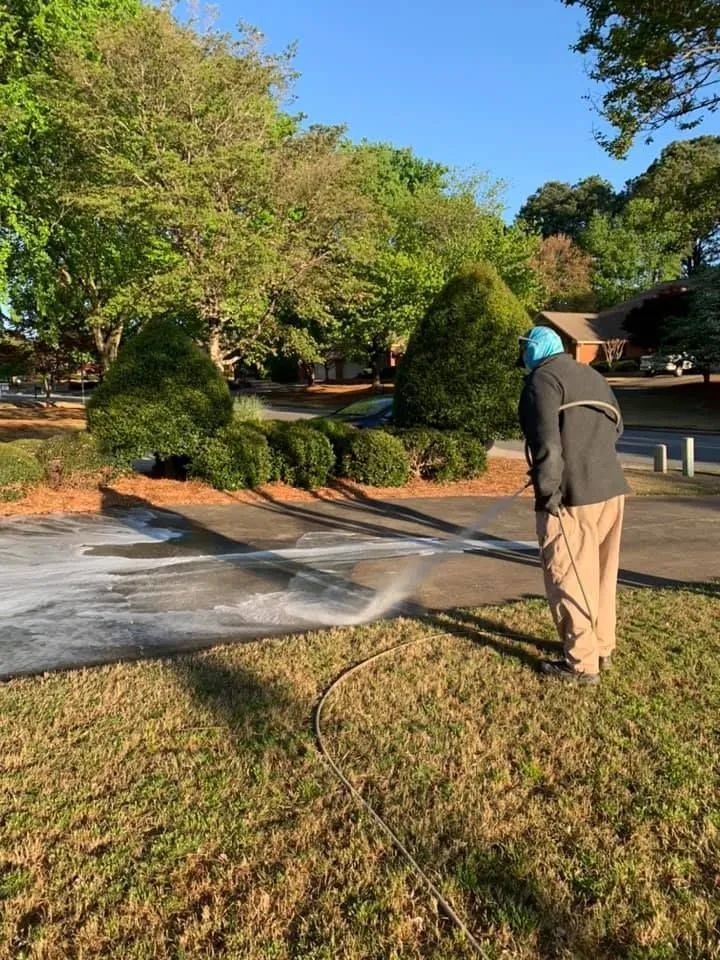
Once pre-treatment is complete, technicians use industrial-grade pressure washers to clean the deck. This stage involves systematically covering the surface in sections to ensure no area is overlooked. Operators adjust pressure settings and spray angles to match the surface type and condition. Multi-level decks require careful attention to ramps and corners where water runoff can pool, potentially causing erosion or slip hazards.
Rinsing and Finishing
After the high-pressure washing, the deck is thoroughly rinsed to remove all remaining detergents and contaminants. Water reclamation systems or proper drainage channels prevent runoff from damaging adjacent areas or causing environmental issues. In some cases, additional treatments such as surface sealants are applied to enhance the longevity of the deck and reduce future staining.
Benefits of Parking Deck Pressure Washing
- Enhanced Safety and Slip Reduction:- One of the primary benefits of pressure washing is safety. Oil, grease, algae, and mold can create slippery surfaces, posing a risk to both pedestrians and vehicles. By removing these hazards, property managers reduce the likelihood of accidents and associated liability. A clean deck also improves visibility of parking lines and directional signage, further enhancing safety for drivers and pedestrians.
- Improved Aesthetic Appeal:- A clean parking deck contributes significantly to the overall impression of a property. Whether for commercial buildings, shopping centers, or residential complexes, a well-maintained deck reflects professionalism and care. Removing stains, grime, and discoloration restores the surface to a like-new appearance, making the property more attractive to tenants, visitors, and potential buyers.
- Prolonged Structural Integrity:- Contaminants like oil, salt, and chemical residues are not just cosmetic—they can accelerate concrete deterioration and corrosion of reinforcement bars. Pressure washing removes these substances before they cause permanent damage, extending the lifespan of the deck and reducing the need for costly repairs. Regular cleaning also allows early detection of structural issues, enabling timely maintenance.
- Environmentally Responsible Maintenance:- Modern pressure washing techniques often incorporate eco-friendly detergents and water reclamation systems. This approach minimizes environmental impact while maintaining high cleaning standards. Removing pollutants before they enter storm drains prevents contamination of local waterways, aligning with sustainability goals and municipal regulations.
- Cost-Effective Over Time:- While professional pressure washing requires upfront investment, the long-term savings are considerable. Preventing structural damage, reducing slip-related accidents, and avoiding extensive restorative projects keeps maintenance budgets manageable. In many cases, a regular cleaning schedule significantly delays the need for costly resurfacing or deck reconstruction.
Common Challenges and How Professionals Address Them
Stubborn Stains and Oil Deposits
Oil and grease stains are often the most challenging contaminants. Professionals address this with a combination of degreasers, specialized scrubbing tools, and high-pressure water. Pre-treatment is critical, as skipping this step often leads to incomplete removal and recurring stains.
Accessing Difficult Areas
Multi-level decks and ramps create challenges in maneuvering equipment safely. Professionals use telescoping wands, specialized nozzles, and sometimes rope access techniques to reach tight corners and vertical surfaces. This ensures comprehensive cleaning without risking damage to vehicles or property.
Water Management
Pressure washing generates significant water runoff. Unmanaged runoff can damage landscaping, seep into foundations, or create temporary flooding. Experts plan water flow carefully, use drainage channels, and implement water reclamation where possible, ensuring the process is both safe and compliant with local codes.
Timing and Traffic Disruption
Cleaning a busy parking deck requires careful scheduling. Professionals often conduct washing during off-peak hours or arrange temporary closures to minimize inconvenience. Clear communication and signage are essential to maintain smooth operations while ensuring effective cleaning.
Best Practices for Maintaining a Clean Parking Deck
- Regular Cleaning Schedule:- Establishing a consistent pressure washing schedule is essential for maintaining deck integrity. Depending on traffic levels, decks may require cleaning quarterly, bi-annually, or annually. Routine cleaning prevents contaminants from embedding deeply, reducing the effort and cost of each session.
- Prompt Spill Management:- Immediate cleanup of oil, grease, and other chemical spills helps prevent staining and deterioration. Professional teams can provide guidance on effective temporary measures between full cleanings, ensuring minimal long-term damage.
- Periodic Inspections:- Regular inspections allow early detection of cracks, surface erosion, and drainage issues. Combining inspections with pressure washing ensures that maintenance is proactive rather than reactive, protecting both safety and investment value.
- Use of Protective Coatings:- After pressure washing, applying sealants or protective coatings can further enhance longevity. These coatings prevent stains from penetrating the surface and make subsequent cleanings easier and more efficient. Professionals can recommend coatings suited to the specific deck material and traffic conditions.
- Hiring Experienced Professionals:- Parking deck pressure washing is a specialized service. Working with trained, licensed professionals ensures proper equipment use, effective cleaning, and compliance with safety and environmental standards. Attempting DIY methods may save money upfront but often leads to uneven results, surface damage, or increased long-term costs.
Your Trusted Partner in Deck Maintenance Services
Parking deck pressure washing is a vital service for property owners and managers who prioritize safety, aesthetics, and long-term structural preservation. The process goes beyond surface cleaning, addressing deep-seated oil, grease, rust, and other contaminants that can compromise both the look and integrity of the deck. By understanding the steps involved—from initial assessment and pre-treatment to high-pressure washing, rinsing, and finishing—stakeholders can make informed decisions and maximize the benefits of professional maintenance.
For property owners in need of professional pressure washing services, Bio Green Pressure Washing, located in Acworth, GA, stands out as a trusted partner. With over 8
years of experience, the company has developed extensive expertise in cleaning parking decks across various commercial and residential settings. Their trained technicians employ industrial-grade equipment, eco-friendly detergents, and water reclamation systems to deliver thorough, efficient, and safe cleaning results. Bio Green Pressure Washing
understands the unique challenges posed by multi-level structures, high-traffic areas, and persistent stains, ensuring that each project is handled with precision and care. Property managers and owners benefit from improved aesthetics, enhanced safety, and extended deck longevity, making the service a sound investment. With a proven track record of reliable, professional service, Bio Green Pressure Washing
combines technical skill, attention to detail, and a commitment to customer satisfaction, solidifying its reputation as a leading provider in the industry.